

 Türkçe
 Deutsch

Sibling Jealousy: Signs, Causes, and How Parents Can Help
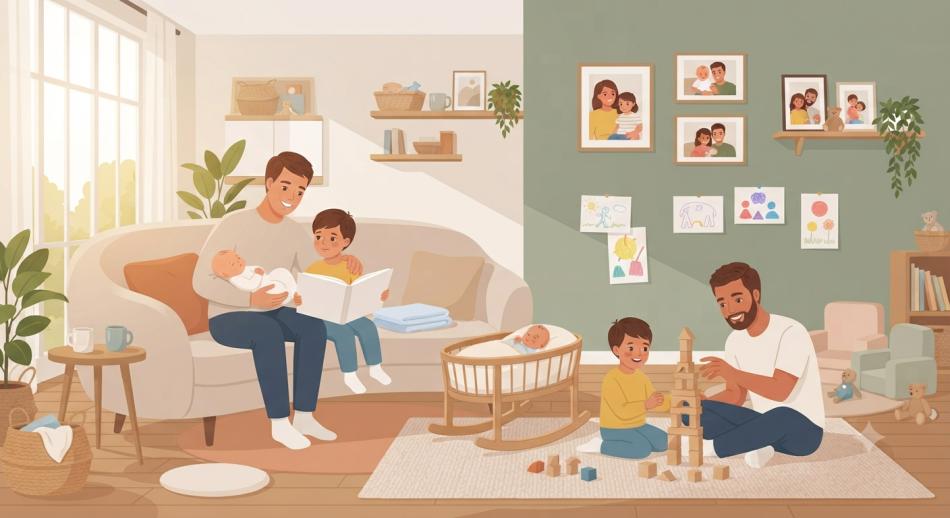
The arrival of a new baby is an exciting milestone for a family, but it also brings significant changes for older siblings. A child who was once the center of attention may suddenly feel left out, less important, or afraid of losing their parents' love. These feelings are common and do not mean that something is wrong with the child.
Sibling jealousy is a normal part of emotional development. Rather than trying to eliminate these feelings, parents can help children understand and express them in healthy ways while building a secure relationship with their new sibling.
What Is Sibling Jealousy?
Sibling jealousy refers to the feelings of insecurity, competition, sadness, or anger that may arise when a child believes a sibling is receiving more attention or affection. Children often do not express these emotions directly. Instead, they may communicate their feelings through changes in behavior, such as becoming more clingy, withdrawn, or easily frustrated. Understanding the emotions behind these behaviors is often more helpful than focusing only on the behaviors themselves.
Why Does Sibling Jealousy Occur?
The most common reason is the fear of losing parental attention and emotional security. After a baby's birth, parents naturally spend more time meeting the newborn's needs. Older children may interpret this change as a sign that they are less loved, even when this is not the case.
Sibling jealousy may become more intense when:
- The older child receives noticeably less one-on-one attention.
- Parents frequently compare siblings.
- The child is expected to "act grown up" before they are emotionally ready.
- Several major life changes occur at the same time, such as moving bedrooms or starting a new school.
Common Signs of Sibling Jealousy
Every child reacts differently. Some children openly express anger toward the baby, while others become quiet or return to behaviors they had previously outgrown.
Common signs include:
- Increased clinginess toward parents
- Aggressive behavior toward the sibling
- Baby-like behaviors such as thumb sucking or bedwetting
- Frequent crying or irritability
- Sleep or appetite changes
- Withdrawal from family activities
- Repeatedly asking whether they are still loved
These reactions usually reflect emotional distress rather than intentional misbehavior.
Why Do Children Show Regressive Behaviors?
Some children temporarily return to earlier developmental behaviors after a sibling is born. For example, they may want to be carried, use baby talk, ask for a bottle, or need more help with tasks they previously completed independently. These behaviors often communicate a simple message: "I still need love and attention too." Responding with patience and reassurance is generally more effective than criticizing or shaming the child for "acting like a baby."
How Can Parents Help?
Parents cannot completely prevent sibling jealousy, but they can make the adjustment easier.
Helpful strategies include:
- Spending regular one-on-one time with the older child.
- Acknowledging the child's feelings without judgment.
- Avoiding comparisons between siblings.
- Setting clear limits on aggressive behavior while accepting emotions.
- Allowing the older child to participate in caring for the baby if they are interested, without forcing responsibility.
Simple statements such as "I know you're upset because the baby needs my attention right now. I love you too, and we'll spend time together afterward." help children feel understood and emotionally secure.
What Should Parents Avoid?
Certain responses may unintentionally increase jealousy.
Parents should avoid:
- Telling the child they are "too old" to feel jealous.
- Comparing siblings' behavior or achievements.
- Expecting the older child to always give in because they are older.
- Ignoring or dismissing the child's emotions.
- Using guilt or shame to stop jealous behaviors.
Every child deserves to feel valued for who they are rather than being compared with a sibling.
When Should Professional Help Be Considered?
Sibling jealousy is usually temporary and improves as children adjust to their new family dynamics.
However, professional support may be helpful if:
- Aggressive behavior toward the sibling becomes frequent or severe.
- Emotional outbursts continue for an extended period.
- Regressive behaviors persist without improvement.
- Sleep, eating, or school functioning is significantly affected.
- Family relationships become increasingly stressful.
Seeking guidance does not mean that a child has a serious problem. It can simply help families navigate a challenging transition more effectively.
Cadem Psychology's Approach
At Cadem Psychology, sibling jealousy is evaluated within the broader context of the child's developmental stage, emotional regulation skills, family relationships, and parenting practices. The goal is not to eliminate feelings of jealousy but to help children express their emotions safely while supporting parents in creating a secure and balanced family environment.
Conclusion
Sibling jealousy is a natural response to major family changes. With empathy, consistency, and reassurance, most children gradually adjust to their new role within the family. By recognizing the emotions behind their behavior and responding with patience, parents can strengthen sibling relationships and foster a secure emotional bond that benefits the entire family.