

 Türkçe
 Deutsch

The Psychological Impact of Urban Transformation and Modern Cities
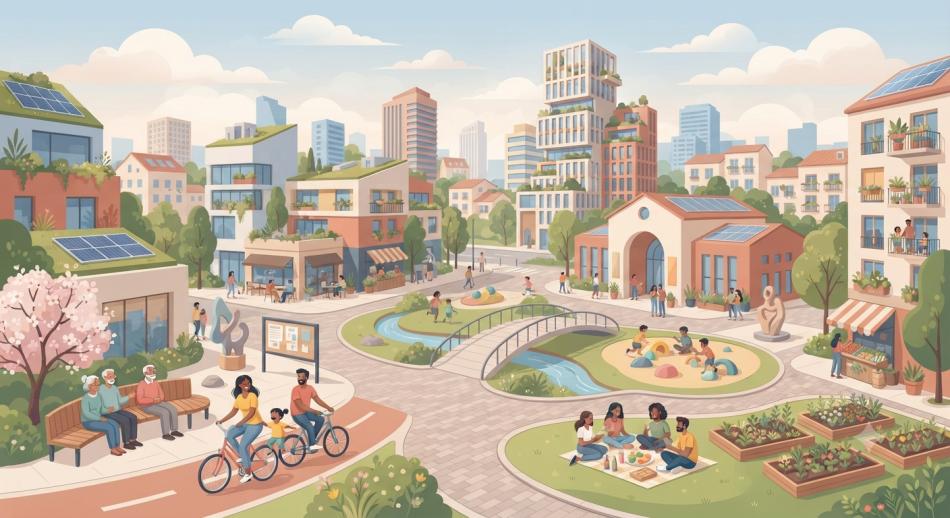
Urban Transformation and Mental Well-Being
Since the 19th century, cities have continuously evolved in response to industrialization, population growth, technological progress, and changing social needs. In recent decades, rapid urbanization has accelerated redevelopment projects around the world, reshaping neighborhoods and everyday life.
Urban transformation is more than the renewal of buildings and infrastructure. It also affects social relationships, daily routines, and people's emotional connection to the places they call home. For this reason, the psychological and social effects of urban development deserve as much attention as its physical outcomes.
How Urban Transformation Affects Mental Health
Major changes in the living environment can be emotionally challenging. Relocating from familiar neighborhoods, losing long-standing community ties, or adapting to a new environment may reduce a person's sense of belonging and security.
Construction activities, traffic congestion, noise, overcrowding, and uncertainty can also increase long-term stress. For some individuals, these changes may contribute to anxiety, depressive symptoms, emotional exhaustion, or adjustment difficulties.
However, these effects vary from person to person. Psychological resilience, social support, and personal circumstances all influence how successfully individuals adapt to change.
Modern Cities and the Sense of Belonging
Modern cities offer greater access to education, healthcare, employment, and public services. At the same time, rapid urban life and increasing individualization may weaken social connections and contribute to feelings of loneliness.
People who move from rural areas to large cities may experience challenges while adapting to new cultural, social, and environmental conditions. Environmental psychology emphasizes concepts such as place attachment, place identity, privacy, spatial perception, and territoriality, all of which influence mental well-being and quality of life.
When these connections are disrupted, adapting to a changing environment may become more difficult.
The Importance of Human-Centered Urban Planning
Urban transformation is a complex process involving multiple stakeholders. Successful redevelopment requires collaboration among local governments, urban planners, architects, mental health professionals, community organizations, and residents.
Projects that consider residents' psychological, social, and cultural needs are more likely to strengthen trust, preserve community ties, and improve overall well-being.
Psychological Support During Times of Change
Adapting to significant environmental changes can be stressful. If urban transformation or relocation leads to persistent anxiety, sadness, sleep problems, social withdrawal, or emotional distress that affects daily life, seeking support from a mental health professional may be beneficial.
Psychological support can help individuals develop healthy coping strategies, strengthen resilience, and adjust more effectively to changing circumstances.
Conclusion
Urban transformation is an essential part of modern development, but it affects far more than the physical landscape. It also shapes people's emotional well-being, social relationships, and sense of belonging.
Human-centered urban planning that values both infrastructure and psychological well-being can help create healthier, more resilient communities. While change is inevitable, supporting people throughout that process is key to ensuring that urban transformation improves both cities and the lives of those who live in them.