

 Türkçe
 Deutsch

Insect Phobia (Entomophobia): Symptoms, Causes, and Effective Ways to Cope
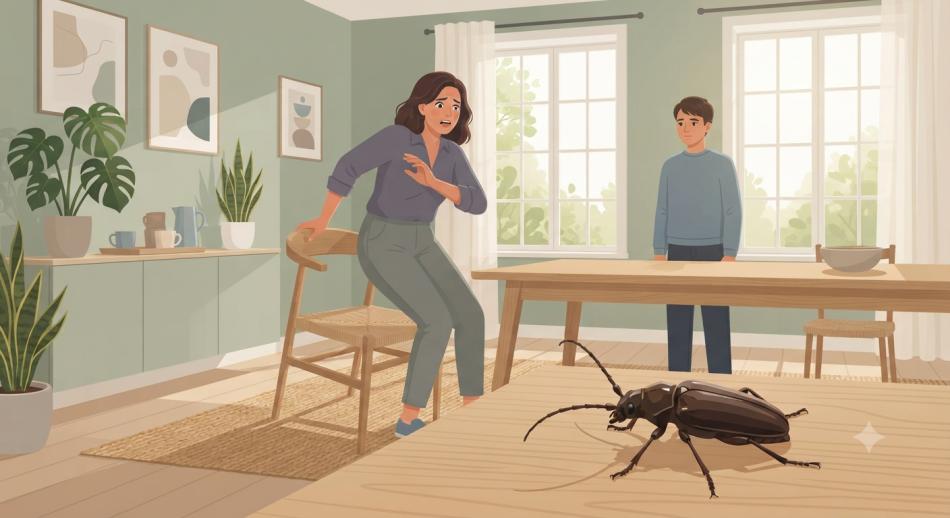
Many people feel uncomfortable around insects, especially those that sting or bite. However, for some individuals, this fear becomes so intense that it interferes with daily life. They may avoid parks, gardens, outdoor activities, or even certain areas of their homes because of the possibility of encountering an insect.
When the fear is excessive, persistent, and leads to significant avoidance behaviors, it may be classified as entomophobia, a type of specific phobia. Fortunately, with appropriate psychological support, many people can learn to manage this fear and reduce its impact on their lives.
What Is Insect Phobia?
Insect phobia (entomophobia) is an intense and irrational fear of insects that is disproportionate to the actual danger they pose.
Individuals with insect phobia may experience anxiety when they:
- See an insect,
- Look at photographs or videos of insects,
- Hear buzzing sounds,
- Think about insects,
- Enter places where insects are likely to be present.
The fear often leads to avoidance behaviors that interfere with work, leisure activities, travel, or everyday routines.
What Causes Insect Phobia?
Like many specific phobias, insect phobia usually develops through a combination of biological, psychological, and environmental factors.
Negative Experiences
Some individuals develop insect phobia after experiencing a frightening encounter with an insect during childhood or adulthood, such as being stung or unexpectedly startled.
Hearing about someone else's frightening experience may also contribute to fear development.
Evolutionary Factors
From an evolutionary perspective, humans may be biologically prepared to react cautiously toward animals or insects that could potentially be harmful.
Although most insects are harmless, this natural protective tendency may become exaggerated in some individuals.
Social Learning
Children often observe and imitate the emotional reactions of parents or caregivers.
Growing up with family members who display intense fear of insects may increase the likelihood of developing similar fears.
How Can Insect Phobia Affect Daily Life?
Untreated insect phobia can interfere with many aspects of everyday life.
Possible effects include:
Persistent Anxiety
Individuals may constantly worry about encountering insects, even in relatively safe environments.
Avoidance Behaviors
People may avoid:
- Parks,
- Gardens,
- Camping,
- Hiking,
- Outdoor dining,
- Traveling,
- Certain rooms or areas of their homes.
While avoidance may temporarily reduce anxiety, it often strengthens the phobia over time.
Reduced Quality of Life
Avoiding enjoyable activities because of fear can limit social participation and reduce overall life satisfaction.
Physical Symptoms
Exposure to insects—or even anticipating contact—may trigger symptoms such as:
- Rapid heartbeat,
- Sweating,
- Trembling,
- Shortness of breath,
- Nausea,
- Muscle tension,
- Dizziness.
In some cases, individuals may experience panic attacks.
Psychological Approaches to Treating Insect Phobia
Specific phobias are among the anxiety disorders that respond well to evidence-based psychological interventions.
Cognitive Behavioral Therapy (CBT)
Cognitive Behavioral Therapy (CBT) is considered one of the most effective treatments for specific phobias.
CBT helps individuals identify unrealistic beliefs about insects and replace them with more balanced and accurate interpretations.
Through cognitive restructuring, individuals learn how their thoughts influence emotions and behaviors while developing healthier responses to fear.
Gradual Exposure
Gradual exposure, conducted with the guidance of a qualified mental health professional, involves carefully and progressively confronting feared situations in a safe and controlled manner.
Over time, repeated exposure can reduce anxiety and weaken avoidance behaviors.
Practical Strategies for Managing Insect Phobia
Alongside professional support, several strategies may help individuals cope with insect-related anxiety.
Learn About Insects
Understanding which insects are genuinely dangerous and learning about their typical behavior can help reduce exaggerated fears.
Avoid Excessive Avoidance
Although avoiding feared situations may provide short-term relief, it often reinforces anxiety over time.
Gradual, manageable exposure is generally more effective.
Create a Comfortable Environment
Keeping living spaces clean and taking reasonable measures to reduce insects can increase feelings of safety without encouraging excessive avoidance.
Seek Professional Support
When fear significantly affects daily functioning or quality of life, consulting a mental health professional can be beneficial.
Early intervention often leads to better outcomes.
Be Patient With Yourself
Overcoming a specific phobia is usually a gradual process.
Small, consistent steps often produce more sustainable progress than trying to eliminate fear all at once.
Cadem Psychology's Approach to Specific Phobias
At Cadem Psychology, we understand that specific phobias can significantly affect daily functioning, emotional well-being, and quality of life. Our psychological support focuses on understanding each individual's unique experiences, identifying avoidance patterns, and developing personalized coping strategies based on evidence-based psychological approaches.
Our goal is to help individuals gradually reduce fear, increase confidence, and regain the freedom to participate comfortably in everyday activities.
Conclusion
Insect phobia is more than simply disliking insects. It is a specific phobia characterized by intense fear and avoidance that can interfere with daily life. Fortunately, effective psychological approaches such as Cognitive Behavioral Therapy and gradual exposure can help individuals reduce anxiety and overcome avoidance behaviors. With appropriate support, many people are able to regain confidence and enjoy everyday life without being limited by fear.