

 Türkçe
 Deutsch

What Is Wellness? A Guide to Physical, Mental, and Emotional Well-Being
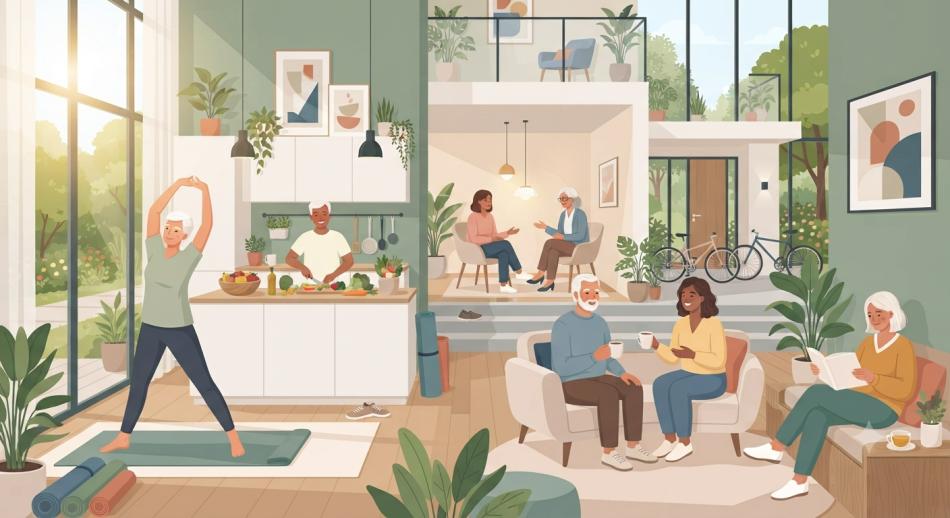
The term wellness has become increasingly popular in recent years. While many people associate it with fitness, healthy eating, or spa treatments, wellness is much broader than that. It is a holistic approach that encourages individuals to care for both their body and mind while building healthy habits that support long-term well-being. Rather than striving for perfection, wellness is about making conscious choices that improve overall quality of life.
What Is Wellness?
Wellness is the ongoing process of making choices that promote physical, mental, emotional, and social health. Instead of focusing only on treating illness, wellness emphasizes preventing problems, strengthening resilience, and maintaining balance in everyday life.
Wellness vs. Well-Being
Although these terms are often used interchangeably, they are not identical.
- Well-being refers to a person's overall quality of life and life satisfaction.
- Wellness refers to the actions and habits that help create and maintain that sense of well-being.
In simple terms, wellness is the journey, while well-being is the outcome.
The Main Dimensions of Wellness
Physical Wellness
Physical wellness involves taking care of your body through:
- Regular physical activity
- Healthy nutrition
- Quality sleep
- Preventive healthcare
- Healthy lifestyle habits
- Mental Wellness
Mental wellness refers to the ability to think clearly, solve problems, adapt to change, and cope with everyday stress. It also includes recognizing when professional psychological support may be helpful.
Emotional Wellness
Emotional wellness involves understanding, accepting, and expressing emotions in healthy ways. Self-awareness, self-compassion, emotional regulation, and healthy boundaries all contribute to emotional well-being.
Social Wellness
Strong relationships and supportive social connections play an important role in overall wellness. Feeling connected and maintaining meaningful relationships can improve both mental and physical health.
Occupational Wellness
A healthy work environment also contributes to wellness. Work-life balance, manageable stress levels, psychological safety, and meaningful work all support occupational well-being.
Why Is Wellness Important?
A wellness-focused lifestyle may help people:
- Better manage stress
- Improve emotional resilience
- Increase life satisfaction
- Strengthen relationships
- Reduce the risk of burnout
- Support long-term mental and physical health
Wellness does not eliminate life's challenges, but it can help people respond to them more effectively.
Simple Ways to Improve Wellness
Supporting wellness does not require dramatic lifestyle changes. Small, consistent habits often make the biggest difference.
For example:
- Maintain a regular sleep schedule.
- Stay physically active.
- Limit excessive screen time.
- Eat balanced meals.
- Spend time with supportive people.
- Practice mindfulness or relaxation techniques.
- Express emotions in healthy ways.
- Make time for rest and recovery.
- Seek professional psychological support when needed.
Wellness in the Workplace
Wellness is also important for organizations. Companies that invest in employee well-being often see improvements in engagement, collaboration, productivity, and job satisfaction while reducing stress and burnout.
Our Approach at ÇADEM Psychology
At ÇADEM Psychology, wellness is viewed as more than the absence of mental health difficulties. We see it as developing psychological resilience, emotional balance, healthy relationships, and sustainable well-being throughout life. Through individual psychological support, child and adolescent services, couple and family counseling, psychoeducation, and corporate wellness programs, we aim to help individuals and organizations strengthen their overall well-being.
Conclusion
Wellness is a lifelong journey rather than a destination. By caring for physical health, emotional well-being, relationships, and mental resilience, individuals can build healthier and more balanced lives. Small daily choices, combined with professional support when needed, can make a meaningful difference in long-term well-being.